Origins and Development of Music Therapy
Section outline
-
Free Lesson
Hardly anyone can imagine a life without music.
Music accompanies people from the prenatal stage right up to their deathbed. There have never been cultures without music. Archaeological finds from prehistory and early history—such as rattles, drums, and flutes—demonstrate that music was created even then, certainly for healing purposes as well.
This course explores the origins and development of music therapy, as well as music therapy for children
-
-
-
 Hardly anyone can imagine a life without music.
Music accompanies people from the prenatal stage right up to their deathbed. There have never been any cultures without music. Archaeological finds from prehistory and early history—such as rattles, drums, or flutes—demonstrate that music was created even then, certainly for healing purposes as well.
-
Music in Healthcare

Until the mid-20th century, historical sources described two aspects: the effects of consciously listening to music and those of making music, whether alone or in a group. A third element—the conversation between therapist and patient regarding the emotions evoked by the music—did not appear in the German-speaking world until the late 1950s. It was at that time that the subject of "music therapy" was established at the University of Music in Vienna.
-
 Music Therapy Through the Ages
In the 1950s, Fengler classified music therapy as a field of remedial education; in contrast to the otherwise exclusive practice of listening to music, he emphasized the creative aspect of making music—specifically playing an instrument and singing.
-
 Distinction between Music Therapy and Music Education
In the early 1980s, a broad debate emerged regarding the clear distinction between music therapy and music education. The shared roots of their artistic training had created a forced kinship between music educators and music therapists. There was also an overlap in the target groups of socio-educational work—often the same populations requiring therapy, such as individuals with disabilities, those with behavioral or upbringing-related difficulties, and drug addicts. The inclusion of a medical component was considered particularly important in this debate on demarcation, as this element was absent from music education, and a clear separation was only possible by taking this factor into account.
-
Above, you see an overview of the topic.
Lesson 1 begins here; you will now work through it step by step.
-
-
-
 Music Therapy in Pediatrics
Throughout previous centuries, music therapy for children occupied a position very much on the fringes of the medical field. This is linked to the subordinate status held by both pediatrics and music therapy within the history of medicine; pediatrics, for instance, did not become established until the late 19th century. Furthermore, this reflects the prevailing view of childhood—a stage of life that was only truly recognized as distinct during the 20th century, leading to children being viewed not merely as adults-in-the-making, but as "individuals in their own right."
-
 Music Therapy in Child Psychotherapy
Empirical research in modern child psychology began towards the end of the 19th century; however, it was not until the turn of the century—influenced by experimental psychology and pedagogy—that scientific interest in the lived world of children truly emerged. This was reflected, for instance, in the proclamation of the "Century of the Child." This shift led to an increase in sociological, psychological, and pedagogical knowledge regarding the developmental conditions that foster children's growth, while simultaneously fostering a growing appreciation for children's play and creativity.
-
 Forms of Music Therapy for Children
Over the past 40 years, various forms or approaches within music therapy for children have emerged; Mahns (1998) classifies them as follows:
Medical approaches (e.g., work with premature infants; prenatal and perinatal psychology and its relevance to music therapy)
Behavioral approaches (e.g., Hanser, 1999)
Creative music therapy (e.g., Nordoff-Robbins music therapy)
Psychoanalytic music therapy (e.g., Priestley, 1982)
Anthroposophic music therapy
Morphological music therapy (e.g., Tüpker)
Integrative music therapy
Regulative music therapy (Schwabe)
etc.
(You can find further details on this in the course "Active Music Therapy – Forms of Music Therapy") -
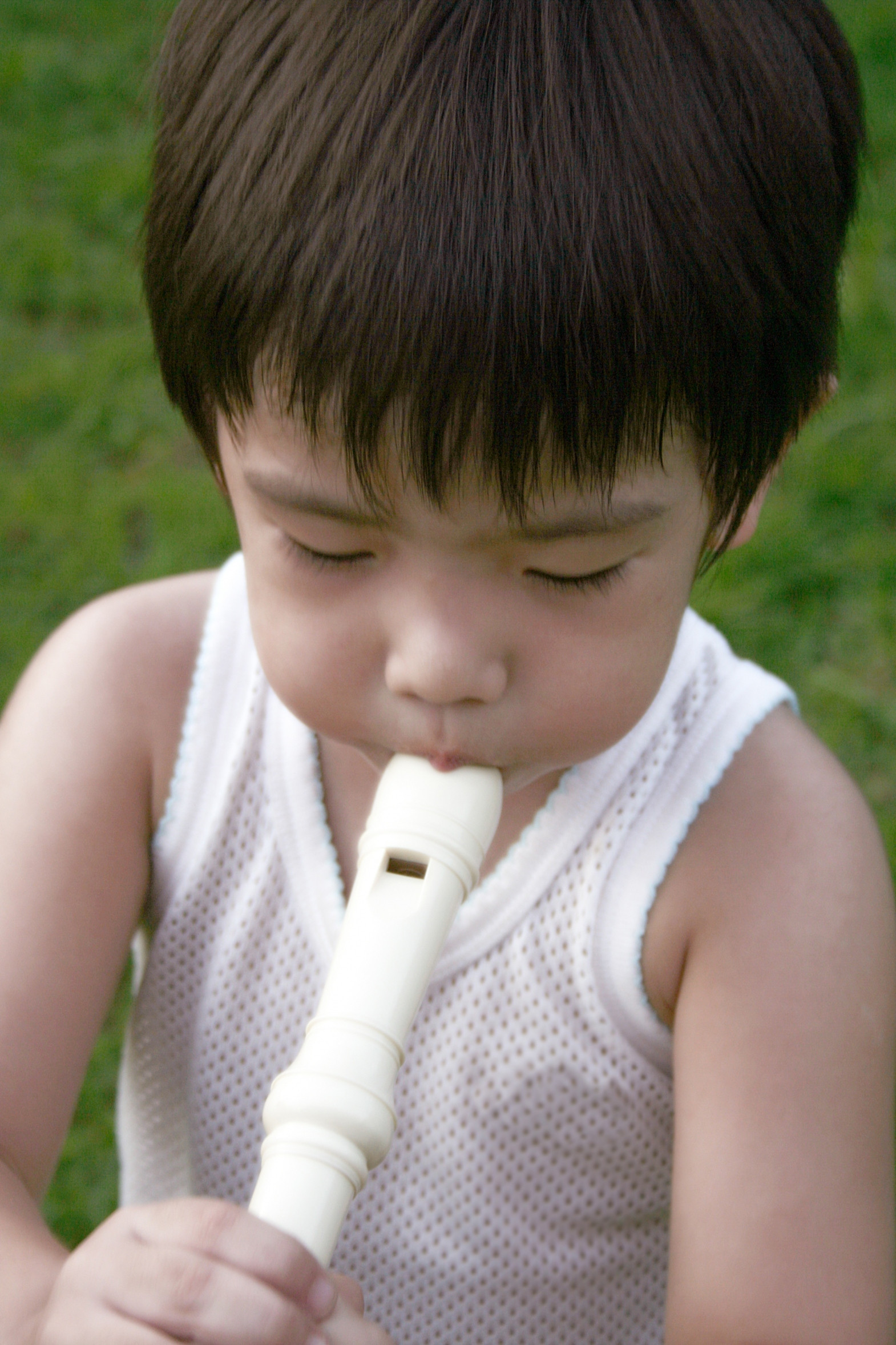 Current Forms of Child Music Therapy
Studies from inpatient child and adolescent psychiatry indicate that the majority of music therapists in this field align themselves with a psychoanalytic or depth-psychology-based approach; this is followed by systemic and Gestalt-oriented approaches—often applied in combination, depending on the therapist's personal training background—as well as regulative music therapy (Schwabe music therapy).
-
Above, you see an overview of the topic.
Here begins Lesson 2, "The Origins of Music Therapy for Children," which you will now work through step by step.
-