Continuing Education Module
Section outline
-
-
Course List
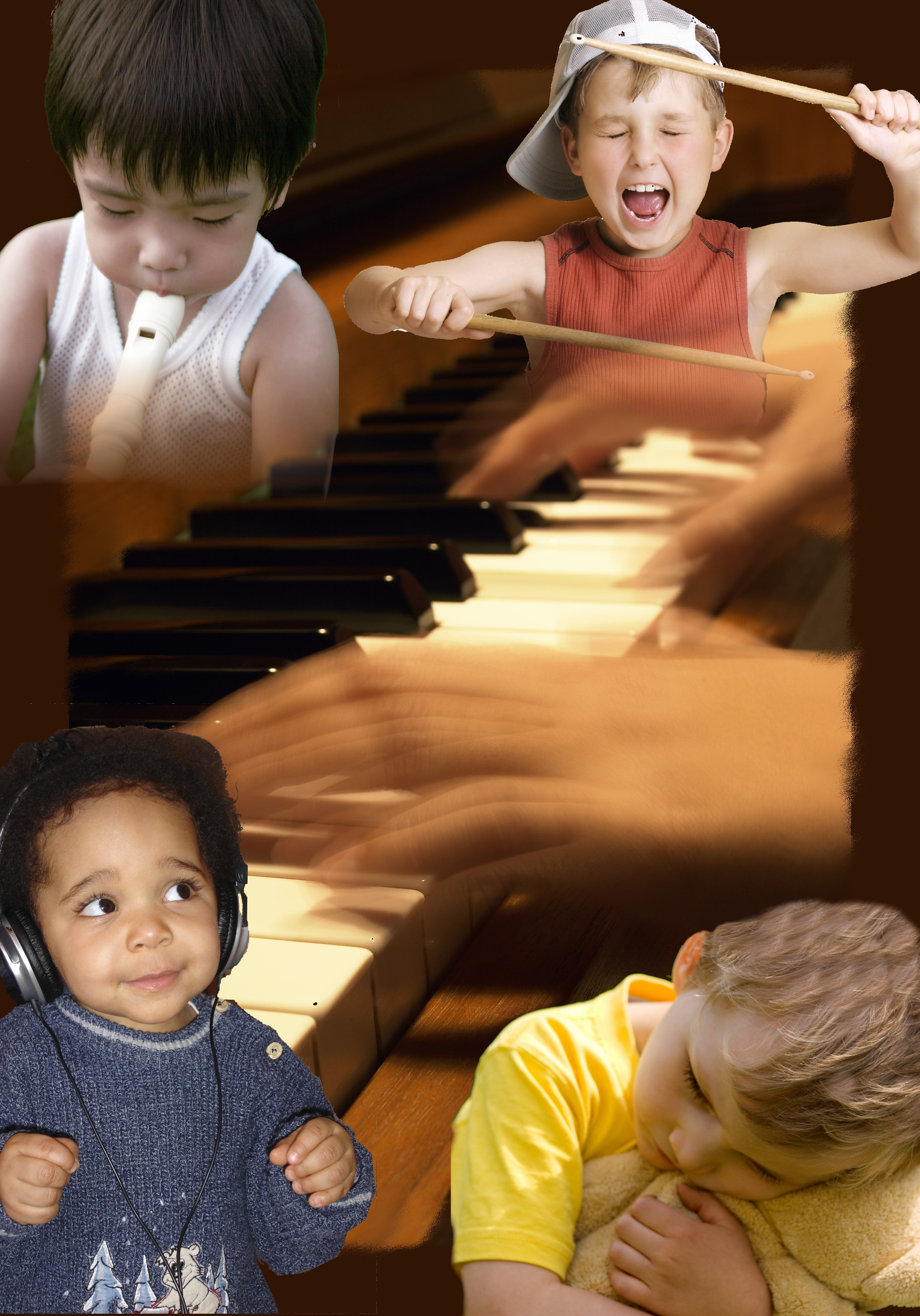
- Introduction to Music Therapy
-
- What Is Music Therapy?
- The Origins and Development of Music Therapy
- The Effects of Music on the Mental, Emotional, and Physical Levels
- Areas of Application for Music Therapy
- Music Therapy and Other Therapies
- Children’s Music Therapy
-
- Definition of Children’s Music Therapy
- Origins and Development of Children’s Music Therapy
- Components of Children’s Music Therapy
- Music in Child Development
- The Effects of Music in Children’s Music Therapy
- Practical Implementation of Children’s Music Therapy
-
- Goals of a Music Therapy Session
- Content of a Music Therapy Session
- Teaching Songs
- Rhythmic Movement Sequences
- Sound Experiments with Instruments
- Song Stories
- Listening to and Interpreting Music
- Examples of Suitable Musical Works
- Suggestions for the Structure of an Advanced Therapy Session
- Introduction to Working with Easy-to-Play Instruments
-
- Use of Orff Instruments
- Classic Orff Instruments
- Instructions for Stick Games
- Basic Rules for Using Orff Instruments
- Areas of Application for Orff Music Therapy
- Goals of Orff Music Therapy
- Basic Principles of Orff Music Therapy
- Examples of Therapeutic Exercises for Children, Adolescents, and Adults
- Hands-On Experience: Singing and Playing with Orff Instruments
- Tools for Children’s Music Therapy
This course is divided into different therapeutic areas.
For each therapeutic area, you will find various music therapy interactions and examples for structuring a music therapy session.- Music Therapy for Auditory Perception Disorders
- Definition: Auditory Perception Disorder
- How do auditory perception disorders manifest?
- Diagnosis of auditory perception disorders
- Prevalence of auditory perception disorders
- Support options through music therapy
- What the therapist should keep in mind
- Music therapy exercises and examples
- Music Therapy with Traumatized Children:
-
- The Clinical Picture of Trauma
- Definition
- Forms of Trauma
- Symptoms of Trauma
- Consequences of Trauma
- Treatment Approaches Using Music Therapy
- What the Therapist Should Keep in Mind
- Music Therapy Exercises
- Lesson Plan
- Music Therapy with Children on the Autism Spectrum
-
- Definitions of Autism
- Symptoms and Clinical Picture of Autism Spectrum Disorders
- Causes of Autism
- Music Therapy for Autism
- What the Therapist Should Keep in Mind
- Therapy Examples
- Music Therapy Exercises
- Music Therapy with Children with Intellectual Disabilities
- Definition of Intellectual Disability
- Practice of Music Therapy with Children with Intellectual Disabilities
- Areas of Development for Children with Intellectual Disabilities
- Music Therapy Exercises
- Music Therapy with Children with Severe Multiple Disabilities
- What the Therapist Should Keep in Mind
- Music Therapy Improvisation Techniques with Exercises
- Practical Examples
- Music-Based Communication
- Music Therapy with Anxious, Insecure Children

Individual Sessions
– “Getting to Know Each Other”
– “My Strengths and My Fear”
– “My Goal!”2. Group Sessions
– “The Group and Me”
– “My Garden of Life”
– “Encountering One Another”
– “The Garden of Emotions”
– “Showing Joy”
– “Saying NO / Setting Boundaries”
– “Courage and Curiosity”
– “Expressing Anger and Frustration”
– “Saying Goodbye and Celebrating Successes!”3. Parent Training
– “Parents’ Night”
- Individual training for parents4. Materials
- Fundamentals of Developmental Psychology
-
- Fundamentals of Developmental Psychology
- Theories of Development
- Development Across Different Age Stages
- Cognitive Abilities and Functions
- Emotions
- Child-Rearing and Development Through the First Year of Life
- The First Year of Life
- Development and Child-Rearing from Early Childhood Through Adolescence
- From Adolescence to Adulthood
- Module Exam
- Certificate
-